01 / MATCH THE TRAILER TO THE FREIGHT
Three trailers.
Different jobs.
Freight simply means the goods being moved.
The cargo helps determine the equipment.
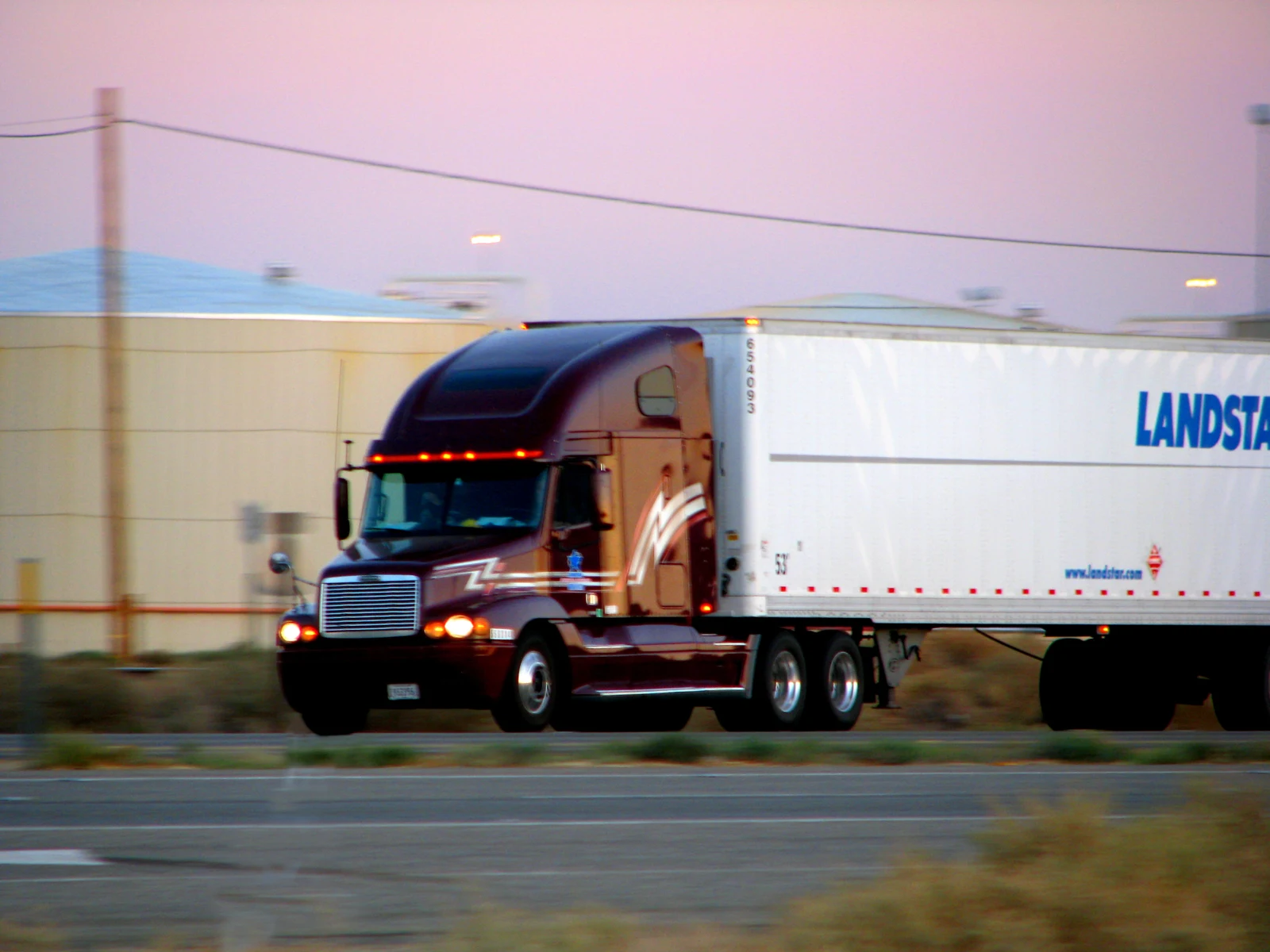 01 / ENCLOSED FREIGHT
01 / DRY VANThe everyday
enclosed trailer.
A dry van keeps general freight inside a covered trailer. It protects cargo from weather, but does not actively control temperature.
- Typical freight
- Packaged goods, furniture, clothing, and non-perishable products.
- What to discuss
- Pallet count, cargo weight, dock access, and who loads or unloads.
Ask about dry van dispatch
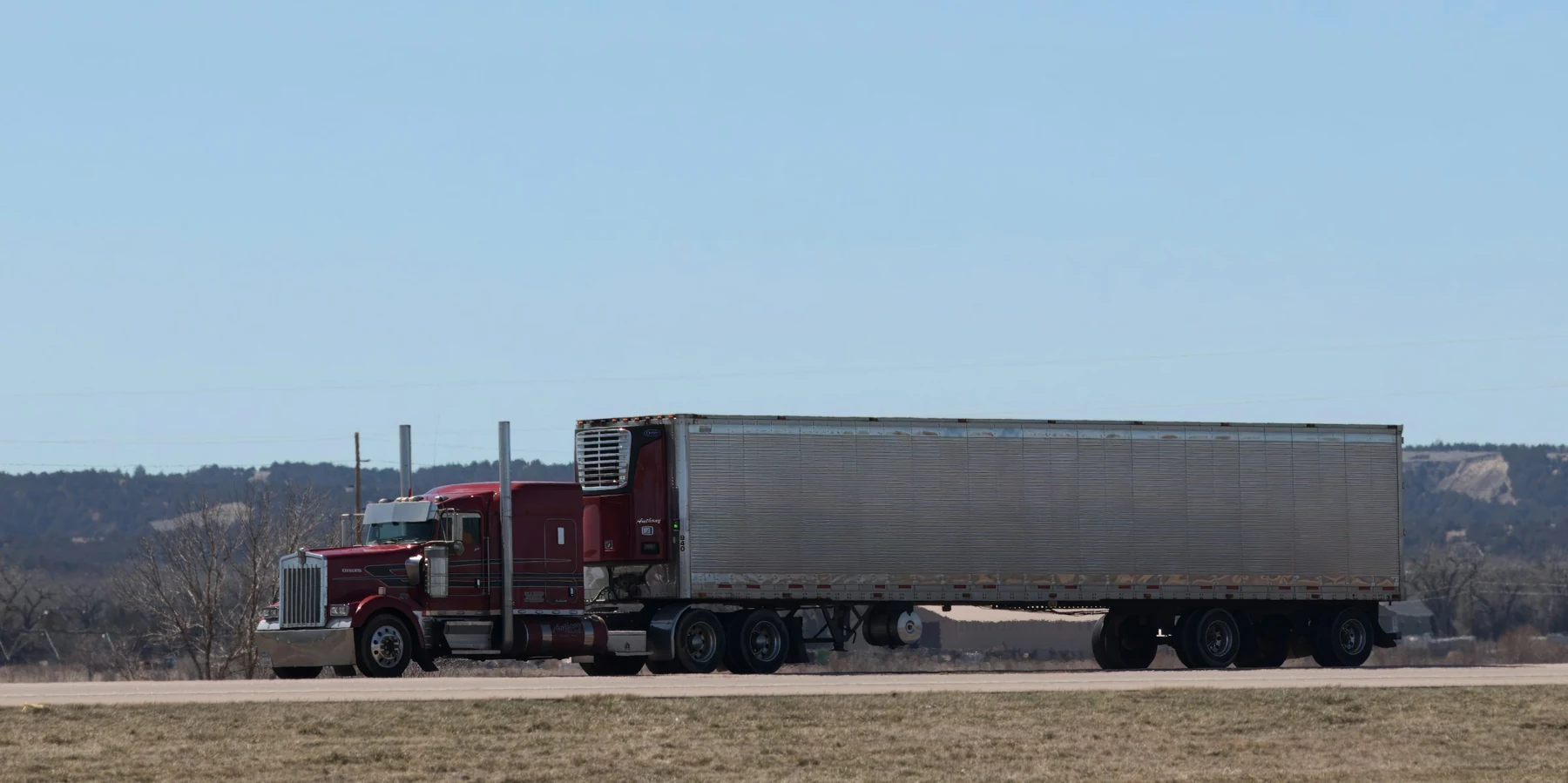 02 / TEMPERATURE-CONTROLLED FREIGHT
02 / REEFERKeep the cargo.
At its temperature.
A reefer is an insulated trailer with a refrigeration unit. It carries freight that needs a specified temperature during the trip.
- Typical freight
- Produce, frozen food, and other temperature-sensitive goods.
- What to discuss
- The required temperature, operating instructions, trailer condition, and appointment windows.
Ask about reefer dispatch
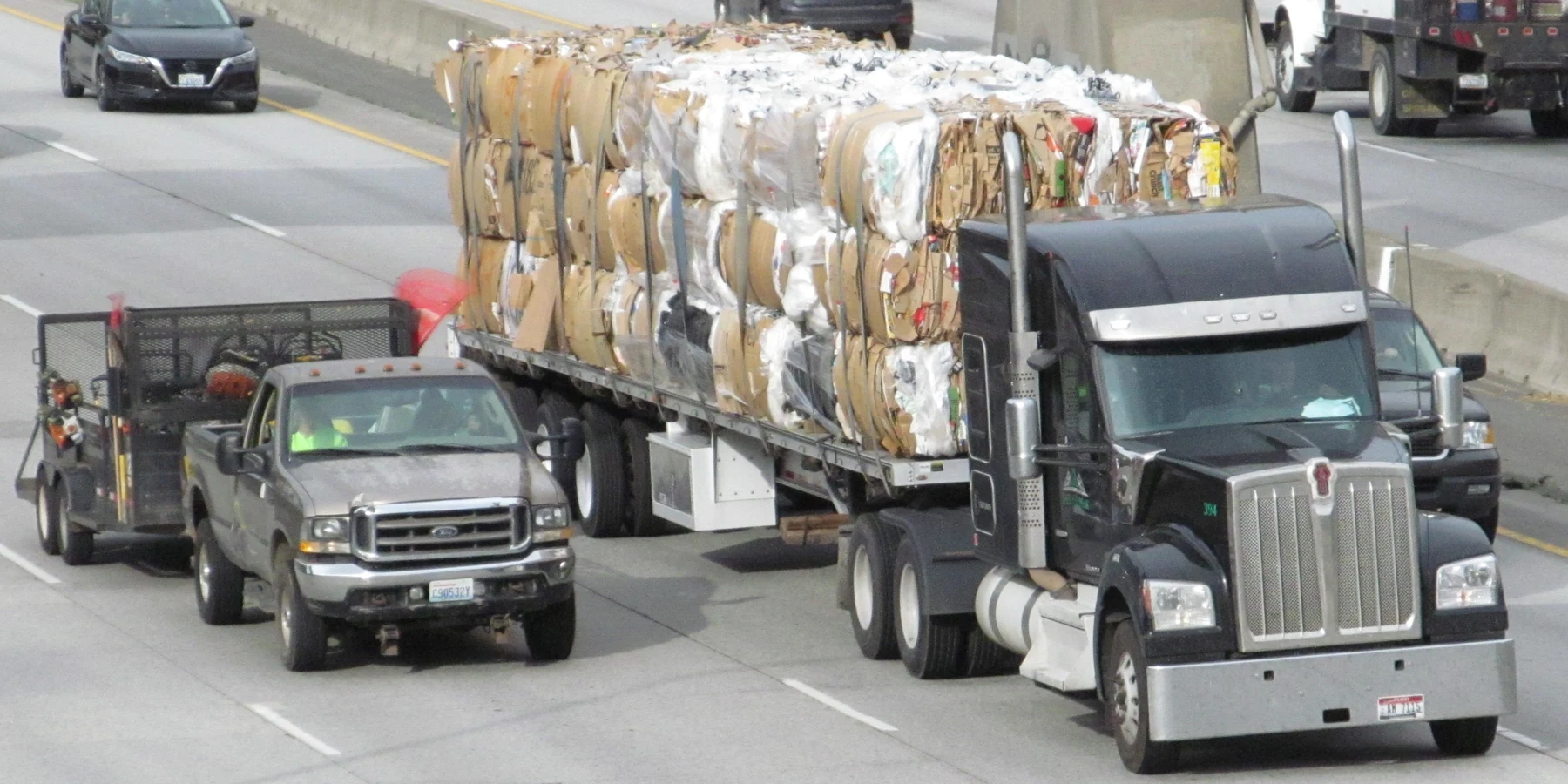 03 / OPEN-DECK FREIGHT
03 / FLATBEDOpen deck.
More loading access.
A flatbed has an open platform instead of an enclosed box. Cargo can be loaded from the side or above.
- Typical freight
- Lumber, steel, construction materials, and machinery.
- What to discuss
- Exact dimensions and weight, loading method, securement, and whether tarps are required.
Ask about flatbed dispatch
Trailer overview: GoShip’s equipment guide . Photographs illustrate equipment types; pictured trucks are not represented as our fleet.
02 / YOUR ROAD. YOUR RHYTHM.
Equipment is what you run.
Haul is how you travel.
01 / CLOSE TO HOMELocal
Trips within a local service area, often with several pickups or deliveries. Discuss the actual schedule and return time.
02 / A FAMILIAR REGIONRegional
Runs across a defined region or nearby states. Routes and home time depend on the carrier and the load.
03 / THE LONG ROADLong-haul / OTR
Longer trips across regions or states. OTR means “over the road”; plan for time away and the next reload.
These describe operating patterns. There is no single mileage cutoff used by every company.
03 / THE WORDS YOU’LL HEAR
Freight.
Without the guesswork.
Trailer type, shipment size, and trip distance describe different parts of a load.
FTL / full truckload+
A shipment using a truck or trailer dedicated to one shipper’s freight. It does not have to fill every inch of space.
LTL / less-than-truckload+
A smaller shipment sharing trailer capacity with other shippers’ freight. It can move through a terminal network along the way.
Lane+
The origin-to-destination pairing a truck runs, such as Dallas to Atlanta.
Deadhead+
Miles driven with no load, such as the trip from a delivery to the next pickup.
Backhaul / reload+
The next load after a delivery. A backhaul generally moves you back toward your starting area; a reload may take you elsewhere.
Rate confirmation+
The written load details and agreed payment terms. Review the locations, appointments, equipment needs, and any extra requirements before accepting.
Shipment-size reference: FedEx freight glossary .
START WITH YOUR OPERATION
Your truck.
Your questions.
Tell us your equipment, experience, preferred lanes, and home-time goals. We’ll discuss the dispatch support that fits.